EPISODE 6: Interview with Ann Jordan, CEO of ASQ
Listen in on the conversation between Fries and Jordan on recent changes in quality management since the COVID-19 pandemic and how it has affected the pharmaceutical industry. See the episode.
Rx-360 is a nonprofit international consortium which addresses pharmaceutical and medical device supply chain security in relation to public health concerns and patient safety. These issues affect billions of individuals around the world on a daily basis.
We are a community of life-science and medical device thought leaders committed to driving positive change within the industry.
Rx-360 has a mission to protect patient safety by sharing information and developing processes to improve the integrity of the health care supply chain and the quality of materials within the supply chain.
Rx-360 is able to accomplish this mission through:








Listen in each month, as leaders in the pharmaceutical ecosystem have thoughtful conversations about the positive changes being made for patient safety. Learn more about our podcast, or watch our episodes.
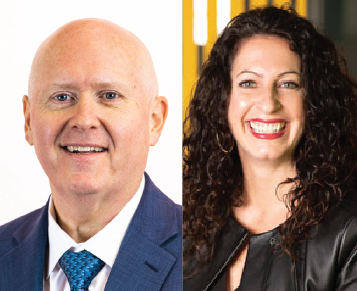
EPISODE 6: Interview with Ann Jordan, CEO of ASQ
Listen in on the conversation between Fries and Jordan on recent changes in quality management since the COVID-19 pandemic and how it has affected the pharmaceutical industry. See the episode.

EPISODE 5: INTERVIEW WITH BEST-SELLING AUTHOR KATHERINE EBAN
Listen in on the conversation between Fries and Eban on her investigation into the criminal underbelly of generic drug manufacturing that eventually led to writing her best-selling book, Bottle of Lies: The Inside Story of the Generic Drug Boom. See the episode.
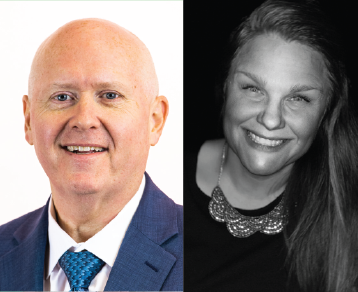
EPISODE 4: INTERVIEW WITH LEIGH VERBOIS, DIRECTOR OF THE OFFICE OF DRUG SECURITY, INTEGRITY AND RESPONSE FOR THE FDA
Listen in on the conversation between Fries and Verbois on how collaboration, communication, and innovation are the keys to improving supply chain security. See the episode.


For the second episode of the Patient Safety Podcast, host Jim Fries, CEO of Rx-360, speaks to Dr. Janet Woodcock, Principal Deputy Commissioner of the Food and Drug Administration. Throughout the course of their conversation, […]
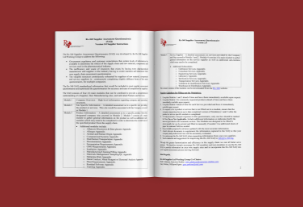
Background on Supplier Assessment Questionnaire Pharmaceutical manufacturers and industry suppliers recognize the inefficiency and waste of resources when each individual pharmaceutical company creates its own supplier assessment questionnaire. Suppliers routinely exhaust valuable resources continuously completing […]